Pet Care Tips
How Small Changes in Your Routine Can Improve Your Pet’s Well-Being
In our lives, adorable pets are like cute little angels, bringing us endless joy and warmth. However, keeping these little cuties healthy, happy, and full of energy is not an easy task. Healthy animals are not born at their best; it is achieved through daily accumulation and scientific care. To truly improve a pet's health, a comprehensive approach is needed, addressing aspects such as diet, exercise, disease prevention, environmental safety, and care habits.

Scientific Diet and Weight Management
First, a proper diet is fundamental to health. Different breeds, ages, weights, and activity levels of pets require different calorie and nutrient ratios. It is recommended to develop a feeding plan based on weight and activity level, gradually adjusting the amount of food, weighing the pet regularly, and avoiding the misconception that "more is always better." Prioritize high-quality dog and cat food, paying attention to the balance of protein, fat, carbohydrates, fiber, and trace elements, and avoiding human food and snacks high in saturated sugar. For pets with chronic diseases (such as diabetes, kidney disease, arthritis, etc.), a specific formula diet should be chosen under the guidance of a veterinarian, and medication should be administered on time as prescribed. Establishing regular, measured, and consistent feeding times and methods helps maintain a healthy weight and reduces obesity-related cardiopulmonary, joint, and metabolic problems.
Age-Appropriate Exercise and Psychological Stimulation
Exercise is not only a way to burn calories but also crucial for maintaining muscle, joint, cardiopulmonary function, and mental well-being. Young, mature pets need a stable daily amount of exercise, while older pets should focus on low-intensity, low-impact activities, gradually increasing their activity levels. Exercise should be varied, including walks, chasing toys, fetch games, climbing, and simple training tasks to avoid fatigue and boredom from monotonous activities. Simultaneously, psychological stimulation is equally important. Through training, interactive toys, olfactory games, and adaptation to new environments, pets' cognitive abilities can be improved, reducing anxiety and destructive behaviors. Providing safe chewing toys, interactive balls, and cloths with different scents at home can help pets achieve psychological satisfaction.
Preventative Care and Routine Checkups
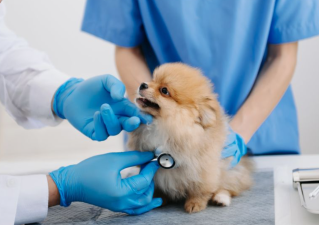
Disease prevention is the longest-term investment. Regular health checkups, vaccinations, deworming, sterilization, and dental care are key to early detection and treatment. A routine physical examination typically includes basic checks such as weight, temperature, heart and lung auscultation, coat and skin condition, and examination of the eyes, ears, nose, and mouth, as well as necessary laboratory tests and vaccination schedules. For animals at high risk of chronic diseases, such as senior pets, veterinarians may recommend more frequent follow-up and examinations. Dental health is equally important; oral problems often affect eating and overall health. Regular dental checkups, daily brushing, or the use of dental chewing products help reduce tartar and oral diseases. Treatment for parasites should also be administered on time, including external parasite control, oral parasite control, and maintaining a clean indoor environment to prevent long-term health problems caused by fleas, lice, and intestinal parasites.
Paying attention to warning signs and early intervention
Closely monitoring changes in a pet's behavior and vital signs during care is another crucial step in improving their health. If a pet exhibits decreased appetite, significant weight loss or gain, decreased activity, lethargy, persistent vomiting, diarrhea, bloody stools, difficulty breathing, changes in demeanor, abnormal urination, changes in coat texture, increased eye discharge, severe ear itching, or unusual odor, veterinarians should be consulted immediately. Many diseases have relatively simple treatment and control methods in their early stages; delaying treatment often increases the difficulty and cost. Families can create a simple health monitoring chart to record daily food intake, weight, water intake, bowel movements, mood, and activity levels, serving as important clues for veterinary diagnosis.
Emotional care is crucial
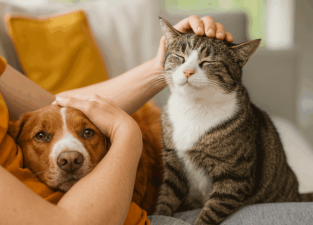
Pets need their owners' companionship and love. Spend time with your pets, petting them, talking to them, and playing with them to let them feel your love. Don't leave your pets alone at home for extended periods, as this will make them feel lonely and anxious. Consider hiring a pet sitter, asking friends for help, or using pet boarding services to ensure your pet receives care when you are not home.
Training and socialization: Appropriate training can make pets more obedient and well-behaved, and can also enhance their self-confidence and sense of security. Use positive reinforcement methods, such as rewards and praise, for training. Enabling pets to socialize with other pets and humans is also very important. Take your pet to pet parks and pet parties to help them make new friends and improve their socialization skills.